
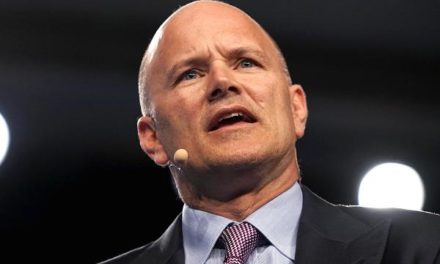


Warren Buffett’s Approach to Capital Allocation
Warren Buffett, chairman of Berkshire Hathaway, is widely regarded as one of the greatest capital allocators in history. His philosophy centres on deploying capital where it can generate the highest long-term returns while preserving downside protection.
Buffett prioritises disciplined decision making, often holding large cash reserves when attractive opportunities are limited. He avoids overpaying for assets and focuses on intrinsic value rather than market trends.
This approach has enabled consistent performance across cycles. In today’s environment, where capital allocation decisions are increasingly influenced by buybacks, his principles remain highly relevant.

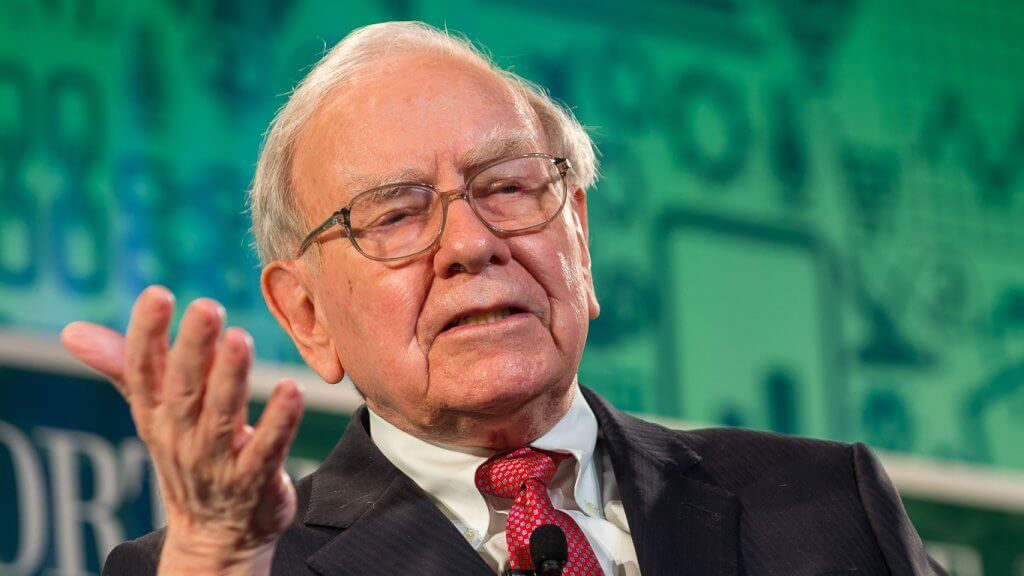
“Buffett prioritises disciplined decision making, often holding large cash reserves when attractive opportunities are limited”
WEALTH TRAINING COMPANY
The Rise of Share Buybacks in Modern Markets
Share buybacks have become a dominant method of returning capital to shareholders. Companies increasingly repurchase their own shares as a way to boost earnings per share and support stock prices.
This trend has accelerated in recent years, particularly among large corporations with strong cash flows. Buybacks are often viewed as a flexible alternative to dividends.
According to financial reporting, “Share buybacks have surged to record levels as companies return excess cash to investors.” This reflects a structural shift in how corporations manage capital.
However, the widespread use of buybacks raises questions about long-term value creation.

“Share buybacks have surged to record levels as companies return excess cash to investors”
FT.COM
Evaluating Buybacks Through a Value Investing Lens
Buffett has consistently emphasised that buybacks only create value when shares are repurchased below intrinsic value. When companies buy back stock at inflated prices, they may destroy shareholder value rather than enhance it.
This distinction is critical in a market where buybacks are often executed regardless of valuation. Investors must assess whether capital is being deployed efficiently or simply used to support short-term performance metrics.
Buffett’s framework encourages a deeper analysis of corporate decisions, focusing on long-term outcomes rather than immediate market reactions.
Understanding this perspective helps investors navigate an environment where buybacks are increasingly common.
“Critics warn that aggressive share buybacks can leave companies exposed if economic conditions deteriorate” – Reuters
Risks of Buyback Saturation
The saturation of buybacks introduces several risks for both companies and investors. When too many firms rely on repurchases, it can signal a lack of productive investment opportunities.
This may indicate slower growth prospects or limited innovation within certain sectors. Additionally, excessive buybacks can reduce financial flexibility, leaving companies more vulnerable during economic downturns.
As noted in market analysis, “Critics warn that aggressive share buybacks can leave companies exposed if economic conditions deteriorate.” This highlights the potential downside of over-reliance on repurchases.
Investors must consider whether buybacks are enhancing value or masking underlying challenges.
Capital Allocation in a Changing Market Environment
In an era of widespread buyback activity, disciplined capital allocation remains a key differentiator. Buffett’s approach underscores the importance of patience, valuation awareness, and strategic thinking.
Companies that prioritise long-term investments, such as innovation and expansion, may create more sustainable value than those focused solely on financial engineering.
Investors can benefit from applying Buffett’s principles by evaluating how businesses allocate capital and whether decisions align with long-term growth objectives.
Ultimately, the ability to allocate capital effectively will continue to define successful companies and investors in evolving market conditions.